
Understanding Digital Marketing and E-commerce
From History to Modern-Day Examples
Did you know that the world’s first completely online transaction happened in 1994? Back then, a man named Dan Kohn sold a CD on a website he built using encryption technology, and it cost $12.48. It may seem simple, but this event opened the door to a new era of digital marketing and e-commerce. Today, we shop online every day, enjoying the convenience of e-commerce, but what exactly are digital marketing and e-commerce? Let’s explain it using simple language and some real-life examples.
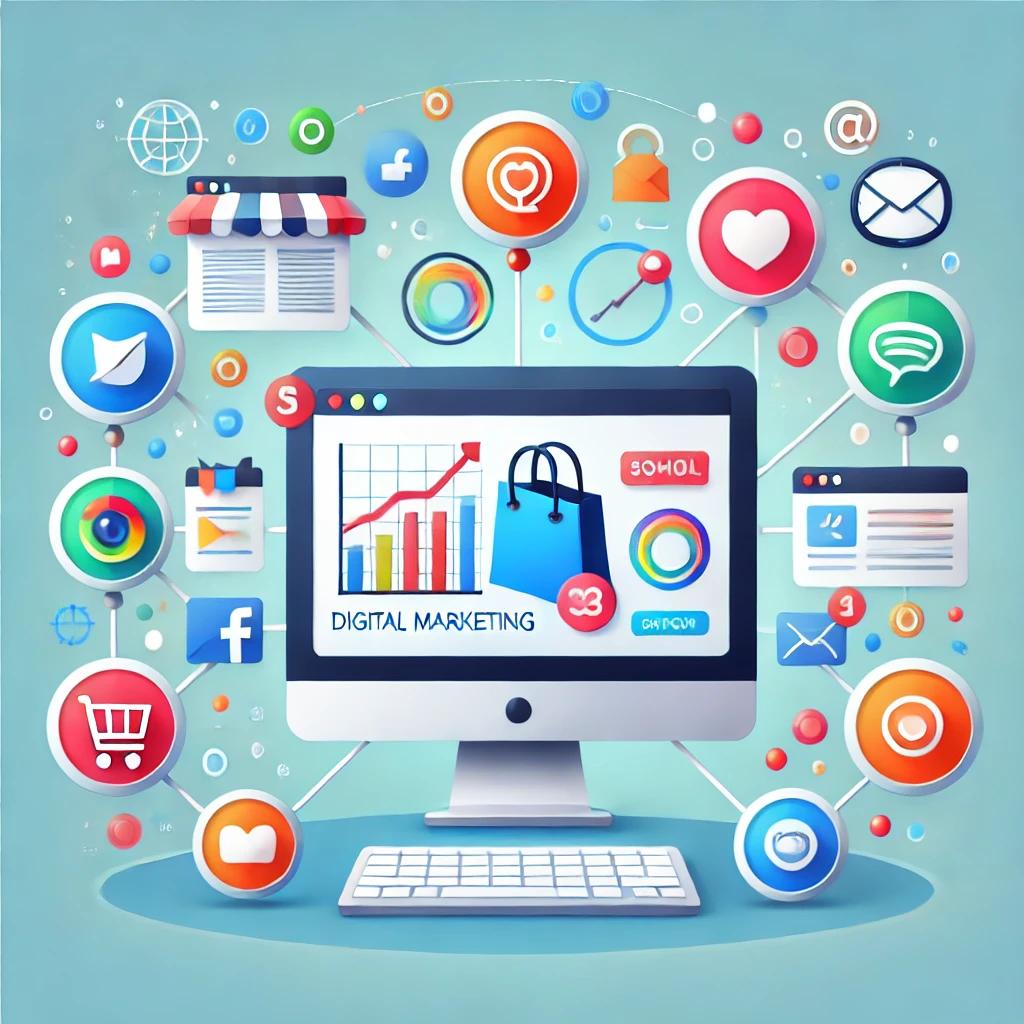
What is Digital Marketing?
In simple terms, digital marketing is the use of the internet and other digital technologies to promote products and brands. Unlike traditional advertising on TV or in newspapers, digital marketing is more flexible, more targeted, and can make your brand stand out in various ways. Here are some key methods used in digital marketing:
Search Engine Optimization (SEO): When you search for “best toy cars” on Google, the brands that show up at the top have done good SEO. The goal of SEO is to make a website rank higher on search engines so more people visit it.
- Example: When you type “kids’ toys” into Google, the brands at the top have likely used effective SEO strategies to make sure you see their website first.
Social Media Marketing: Nearly everyone has a social media account these days, and brands use these platforms to interact with consumers directly. They might post fun videos, photos, or even hold contests to engage their followers.
- Example: If you see a popular YouTuber talking about a new smartphone, that’s social media marketing in action.
Content Marketing: This involves creating interesting and useful content to attract customers. Brands might write articles, make videos, or share pictures to introduce their products or share relevant information.
- Example: A cookware brand sharing cooking tutorials online, while also promoting their products, is using content marketing.
Email Marketing: This is a direct way to reach customers by sending them promotional emails or updates about products and sales.
- Example: When you receive an email from an online store offering a discount on your favorite shoes, that’s email marketing at work.
What is E-commerce?
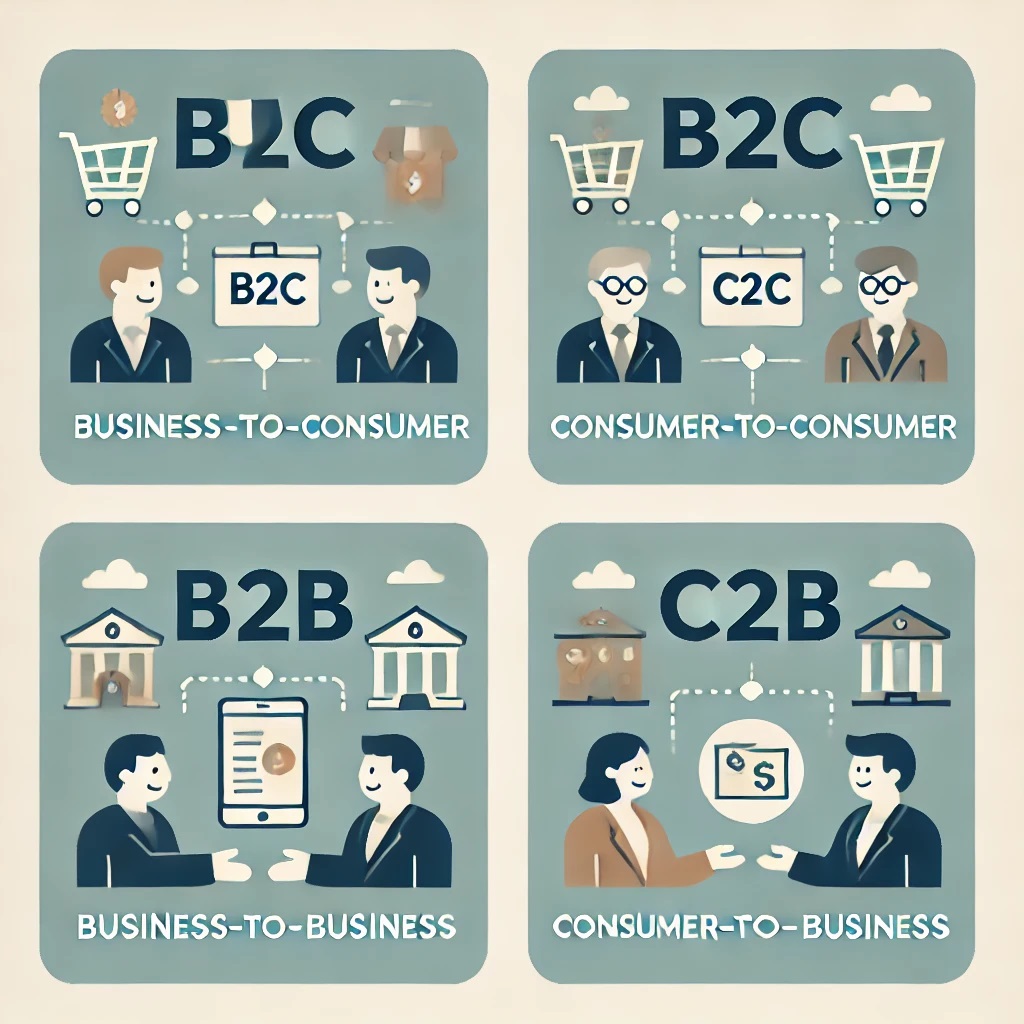
E-commerce, short for electronic commerce, refers to the buying and selling of goods and services over the internet. Imagine your favorite toy—now you don’t need to visit a physical store to get it. Just click a few times on a website, and it will be delivered right to your door. That’s the magic of e-commerce. There are different types of e-commerce depending on who is involved in the transaction:
Business-to-Consumer (B2C): This is the most common type, where businesses sell products directly to customers, like when you buy a book from Amazon.
- Example: Ordering a pizza online is a B2C transaction. In fact, Pizza Hut was one of the first companies to make online sales.
Consumer-to-Consumer (C2C): This is when people sell goods or services to other people, often on platforms like eBay or second-hand marketplaces.
- Example: One of the earliest C2C transactions was on eBay, where sellers offered their old computers to other users.
Business-to-Business (B2B): This involves companies selling products or services to other companies, such as a manufacturer supplying goods to a retailer.
- Example: Salesforce provides software to other businesses, helping them manage customer relationships and sales.
Consumer-to-Business (C2B): This is when consumers sell their services to businesses. For example, if you are a graphic designer selling your design services to a company, that’s C2B.
- Example: Freelancers on platforms like Upwork offer their skills to businesses that need specialized services.
Digital marketing and e-commerce often go hand in hand. With digital marketing, businesses can attract more people to their e-commerce websites, leading to more sales. For instance, a brand might run an ad campaign on social media to get people interested. When people click on the ad, they are taken to the company’s online store, where they can browse and make a purchase.
According to data, global e-commerce sales have been growing every year, with over $6 trillion in sales recorded in 2023. This shows that more and more people are choosing to shop online, and businesses are continuously improving their digital marketing strategies to attract these potential customers.
Digital marketing and e-commerce have become essential parts of our daily lives. Through digital marketing, businesses can reach a larger audience and make their brands known. Through e-commerce, consumers can shop comfortably from their homes. Whether it’s B2C, C2C, or any other model, understanding these concepts helps us grasp how the online world works. As technology continues to advance, digital marketing and e-commerce will keep evolving, making our lives even more convenient and enriched.